
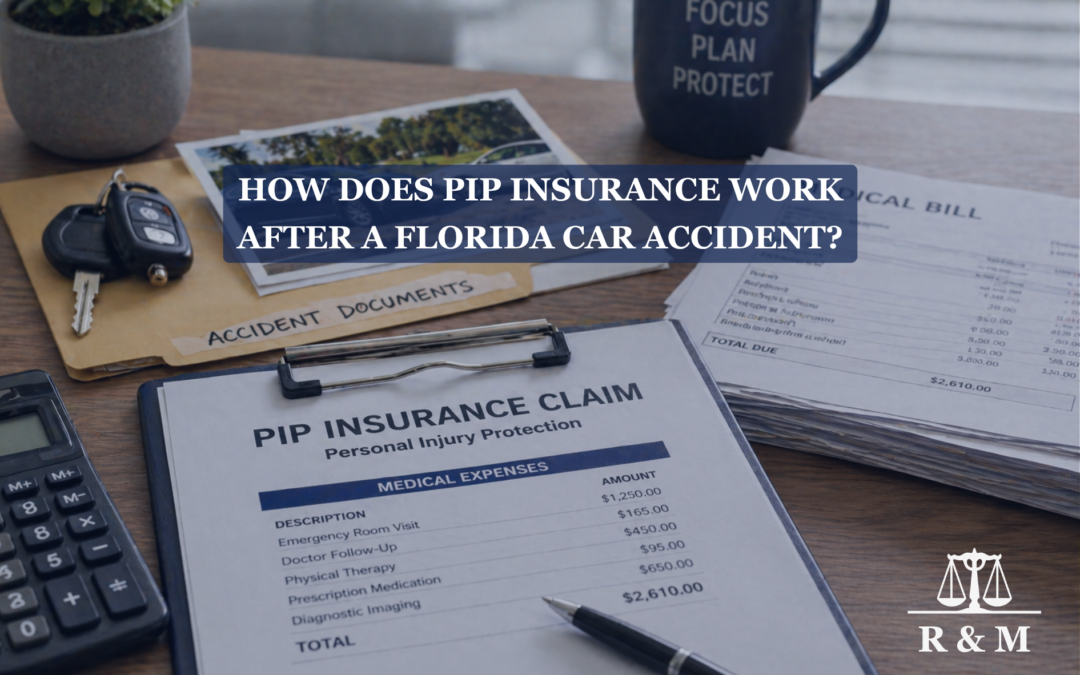
After a car accident, one of the first concerns many people have is how their medical bills will be paid. In Florida, this is where Personal Injury Protection (PIP) insurance comes into play. Florida PIP insurance determines how medical expenses are covered in the first days after an accident.
Understanding how PIP works and what deadlines apply can help you avoid costly mistakes early in the claims process.
What is Florida PIP Insurance?
Florida is a no-fault insurance state, which means your own insurance coverage typically pays for a portion of your medical expenses, regardless of who caused the accident.
PIP insurance may cover:
- Medical expenses
- A portion of lost wages
- Certain out-of-pocket costs related to the accident
However, coverage is limited and subject to specific requirements.
The 14-Day Rule for PIP Benefits
One of the most important rules to understand is the 14-day requirement.
To be eligible for PIP benefits, you must seek medical treatment within 14 days of the accident.
If you wait longer than 14 days:
- You lose access to PIP coverage
- Medical expenses will not be reimbursed under PIP
- Insurance claims may become more complicated
Because of this, seeking prompt medical care is critical, even if injuries seem minor at first.
What Does PIP Actually Cover?
PIP does not cover all expenses in full. Instead, it typically provides:
- Up to 80% of medical expenses
- Up to 60% of lost wages
- Coverage up to policy limits (often $10,000)
When Medical Bills Exceed PIP Coverage
In many cases, medical costs exceed what PIP provides.
When that happens, additional options may include:
- Pursuing a claim against the at-fault driver
- Using health insurance coverage
- Exploring other available policies
This often depends on the severity of injuries and how fault is determined.
Why Medical Documentation Matters for PIP Claims
Proper documentation plays a key role in accessing PIP benefits.
Important documentation may include:
- Timely medical records
- Treatment plans and follow-up care
- Physician evaluations
- Billing records
Incomplete or delayed documentation can affect how claims are processed.
How PIP Connects to Fault and Compensation
Although PIP is a no-fault system, fault can still become important later.
For example:
- If injuries are serious, you may pursue additional compensation from the at fault party
- Fault may affect recovery beyond PIP coverage
- Evidence and documentation can influence outcomes
Understanding how these pieces connect can help you make informed decisions.
Taking the Right Steps Early Matters
The days following a car accident can shape how a claim unfolds. Understanding how Florida PIP insurance works can help you avoid costly mistakes after an accident. Seeking timely medical care, understanding your insurance coverage, and keeping clear documentation can all make a meaningful difference.
For more information about Florida car accident claims, explore the Rosenblum & Mayer blog or contact our office to discuss your situation.